USCIS EAD Validity Cut in 2025: Work Permit Duration Slashed From 5 Years to 18 Months.
Key Dates & Critical Changes
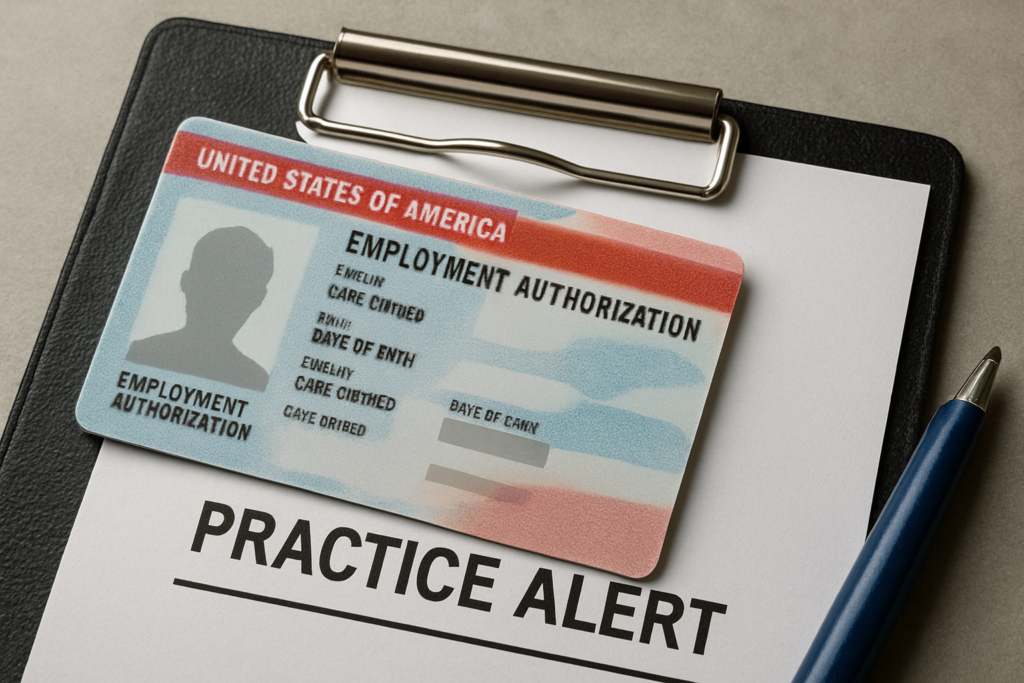
The U.S. Citizenship and Immigration Services (USCIS) recently updated the maximum validity periods for Employment Authorization Documents (EADs) for certain categories of foreign nationals. Effective December 5, 2025, these changes affect how long EADs are valid and will impact both applicants and employers. Understanding these updates is essential for maintaining compliance and planning work authorization renewals.
Who Is Affected by the EAD Validity Update
The updated rules apply to:
-
Refugees (A03)
-
Asylees (A05)
-
Withholding of removal grantees (A10)
-
Pending asylum applicants (C08)
-
Individuals with pending adjustment of status or cancellation of removal applications (C09)
These changes affect both initial and renewal EAD applications filed on or after December 5, 2025. EADs issued before this date remain valid for their original period and are not impacted by this change.
Key Changes to EAD Validity Periods
The main change is a reduction in the maximum validity period for impacted EADs, requiring more frequent renewals. While eligibility requirements remain unchanged, these adjustments may result in:
-
Additional administrative tasks for applicants and employers
-
Higher filing costs due to more frequent renewals
-
Potential delays caused by larger USCIS backlogs
For example, a refugee who previously received a two-year EAD may now need to file for renewal every 12 months. Similarly, asylees and TPS beneficiaries will need to carefully track expiration dates to avoid gaps in work authorization. USCIS states that the updated rules help maintain consistent vetting practices, confirm ongoing eligibility, and align with statutory requirements.
Considerations for Employers
Employers should prepare for potential gaps in work authorization and increased administrative oversight. Practical steps include:
-
Monitoring EAD expiration dates to prevent workforce disruptions
-
Encouraging employees to submit renewals early
-
Maintaining clear communication with staff regarding deadlines and documentation
Proactive planning is essential to maintain compliance with federal employment verification requirements.
Take Preventive Legal Steps
Applicants should take preventive action to avoid work authorization issues:
-
Start eligible immigration applications early, such as asylum, adjustment of status, or TPS
-
Consult with an experienced immigration attorney to review options, plan renewals, and ensure deadlines are met
-
Keep organized records of EADs, filing receipts, and expiration dates
Why USCIS Made This Change
USCIS explains that shorter EAD validity periods are intended to:
-
Update background checks more regularly
-
Confirm ongoing work eligibility
-
Maintain the integrity of the immigration system
While the update is framed as a measure to improve oversight, the practical effect will include more frequent filings and added administrative work for applicants, employers, and legal professionals.
Key Takeaways
Applicants and employers should:
-
Review EAD expiration dates and plan renewals in advance to prevent gaps in work authorization.
-
File applications proactively to avoid delays caused by USCIS processing backlogs.
-
Stay informed of USCIS processing timelines and policy updates to adjust plans accordingly.
-
Maintain clear records of all filings, receipts, and communications with USCIS for easier tracking.
-
Consult an immigration attorney when unsure about deadlines or eligibility, ensuring compliance and avoiding unnecessary complications.
By following these steps, foreign nationals and employers can better manage EAD renewals, reduce administrative stress, and maintain continuous work authorization without disruptions.
Facing Work Authorization Gaps or EAD Issues? Speak with an Immigration Attorney Today
If you or a loved one are at risk of issues related to EAD renewals or work authorization, contact the Law Firm of Anna Korneeva today at (513) 334-3008. Our experienced immigration attorney are ready to guide you through your options, protect your rights, and help you stay compliant with USCIS requirements.