U.S. Citizenship and Immigration Services has issued a new policy memorandum that may significantly affect people applying for lawful permanent residence, commonly known as a green card, from inside the United States through adjustment of status.
For many applicants, adjustment of status has long been the practical path to a green card because it allows an eligible person who is already in the United States to apply without leaving the country for consular processing abroad. The new USCIS policy does not eliminate adjustment of status. However, it signals a stricter approach and reminds officers that approval is discretionary, even when an applicant appears to meet the basic eligibility requirements.
What changed?
The new USCIS memorandum states that adjustment of status is a matter of discretion and “administrative grace,” not an automatic benefit. USCIS also frames adjustment as an extraordinary form of relief because it allows an applicant to avoid the ordinary immigrant visa process through a U.S. consulate abroad.
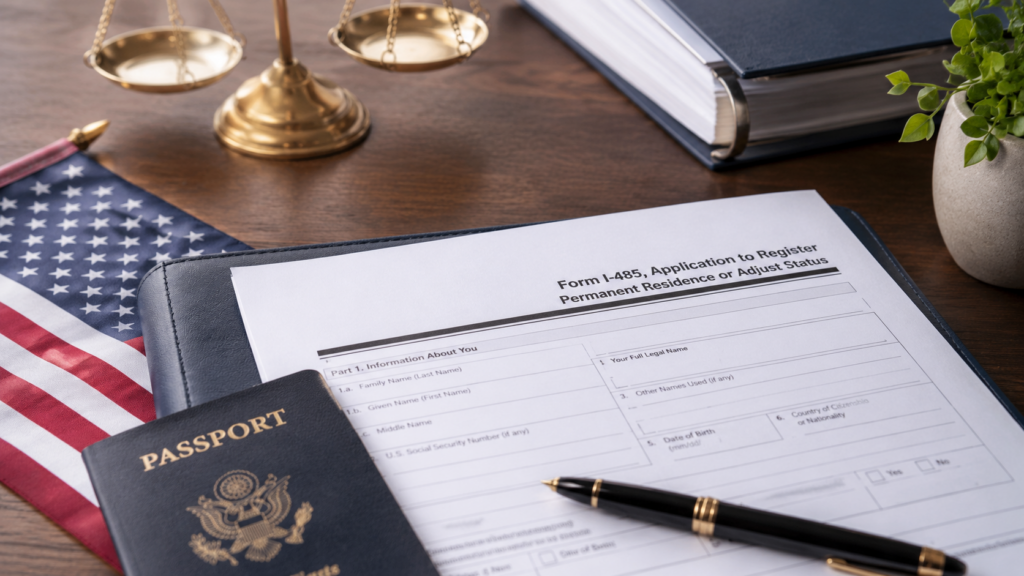
In practical terms, this means that USCIS officers may look more closely at whether an applicant deserves a favorable exercise of discretion. Meeting the technical requirements for filing Form I-485 may no longer be enough by itself.
Who may be affected?
The policy may affect many people with pending or planned adjustment of status applications, including family-based, employment-based, and other discretionary adjustment cases. It may be especially important for applicants who entered the United States temporarily and later decided to pursue permanent residence, as USCIS may examine whether the applicant complied with the terms of their visa or parole.
The policy also recognizes that some categories are different. Certain adjustment categories may be non-discretionary or may receive separate treatment under the law. USCIS has indicated that additional guidance may be issued for specific groups.
Because the impact depends heavily on the facts of each case, applicants should not assume that general information applies to them without a legal review.
What factors may USCIS consider?
USCIS officers are directed to consider the totality of the circumstances. This may include both positive and negative factors, such as:
- Immigration history and maintenance of lawful status;
- Any violations of immigration laws or visa conditions;
- Any fraud, misrepresentation, or false testimony issues;
- Family ties in the United States;
- Length of residence in the United States;
- Employment history, education, skills, and community contributions;
- Moral character and criminal history, if any;
- Whether consular processing was available;
- Whether the applicant has strong reasons why adjustment inside the United States should be granted.
USCIS also states that simply having no negative factors may not be enough. Applicants may need to affirmatively document the positive equities in their case.
What does this mean for pending I-485 applicants?
If you already have a pending adjustment of status application, this policy does not mean your case will automatically be denied. But it may mean that your case could receive closer discretionary review.
Applicants should be prepared for USCIS to ask more questions at interviews, issue requests for evidence, or focus on facts that previously may not have seemed central to the case. This could include questions about visa history, intent at entry, periods of status, employment authorization, travel history, and why the applicant is seeking adjustment in the United States rather than consular processing abroad.
What should applicants do now?
If you have a pending or planned adjustment of status case, now is a good time to review the case carefully with an immigration attorney. In particular, applicants should consider:
- Whether they have maintained lawful status where required;
- Whether there are any immigration violations, unauthorized employment, overstays, or prior misrepresentations;
- Whether consular processing would create risks, including inadmissibility issues or unlawful presence bars;
- What positive evidence should be included to support a favorable exercise of discretion;
- Whether upcoming travel, employment, or status decisions could affect the case.
Applicants should not withdraw, refile, depart the United States, or change strategy without first getting legal advice. In some cases, leaving the United States may create serious immigration consequences.
Need Help With a Pending or New Adjustment of Status Case?
The new USCIS policy places greater emphasis on discretion in adjustment of status cases, meaning that green card applicants may need to do more than prove basic eligibility. USCIS may review the full immigration history, prior status issues, visa compliance, unauthorized employment, family ties, hardship factors, and other positive or negative circumstances before approving Form I-485.
If you are applying for a green card from inside the United States, have a pending adjustment of status application, received a Request for Evidence, or are concerned that USCIS may question whether your case deserves approval as a matter of discretion, experienced legal guidance can make a critical difference.
📞 Contact the Law Firm of Anna Korneeva at (513) 334-3008 to review your immigration history, identify potential risks, prepare strong supporting evidence, and protect your path toward lawful permanent residence.
Disclaimer: This article is for general informational purposes only and does not constitute legal advice. Immigration law is highly fact-specific. You should consult a qualified immigration attorney before making decisions about your case.