Birthright Citizenship Victory: Supreme Court Protects U.S.-Born Children in 2026
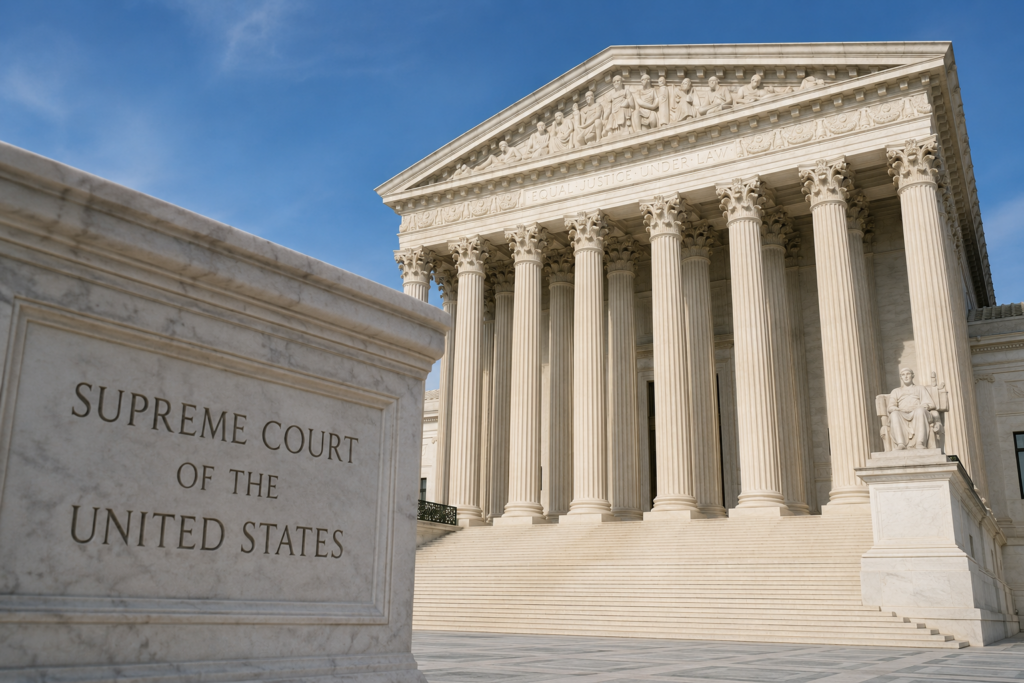
The U.S. Supreme Court has issued one of the most important immigration and constitutional law decisions of 2026. In Trump v. Barbara, the Court reaffirmed that children born in the United States are citizens at birth under the Fourteenth Amendment, even when their parents are undocumented or present in the country on temporary visas.
For immigrant families, expecting parents, and anyone concerned about the future of U.S. citizenship, this ruling brings major clarity. The decision confirms that birthright citizenship remains a core constitutional protection and cannot be removed by executive order alone.
What Is Birthright Citizenship?
Birthright citizenship means a child born on U.S. soil usually becomes a U.S. citizen at birth. There are only very limited exceptions. One example is a child born to certain foreign diplomats. This rule comes from the Citizenship Clause of the Fourteenth Amendment. The clause says that people born or naturalized in the United States are citizens if they are subject to U.S. jurisdiction.
For more than a century, this rule has created stability. It has helped families, hospitals, schools, government agencies, and the immigration system. A child’s citizenship has not depended on the parents’ immigration status. Instead, the key question has been where the child was born. The law also looks at whether the child is subject to U.S. jurisdiction.
What Did the Supreme Court Decide?
The Supreme Court rejected the attempt to limit birthright citizenship. The case involved children born in the United States to parents who were undocumented or temporarily present. The Court held that these children are “subject to the jurisdiction” of the United States. As a result, they are citizens at birth under the Fourteenth Amendment.
This is a significant decision. It protects a long-standing understanding of citizenship. It also limits the executive branch’s power to change constitutional rights through a presidential order. In practical terms, U.S.-born children in these categories should continue to be recognized as U.S. citizens.
Why This Ruling Matters for Immigrant Families
Citizenship is not just a label. It affects a person’s legal identity. It can also affect access to important documents, the right to remain in the country, and the ability to work in the future. Citizenship may also affect eligibility for certain benefits. It can provide protection from deportation. For parents, uncertainty about a child’s citizenship can create fear and confusion. It can also lead to urgent legal questions.
The Supreme Court’s ruling gives families important reassurance. A child born in the United States generally remains a U.S. citizen. This is true even if the parents are undocumented, have temporary visas, or are waiting for immigration applications to be resolved.
This decision may also help prevent inconsistent treatment by government agencies. Without a clear rule, families could face confusion when applying for documents. These may include birth certificates, passports, Social Security numbers, or other legal records.The Court’s decision supports one uniform national rule.
Does This Mean Immigration Law Is Simple Now?
No. The ruling protects birthright citizenship. But it does not solve every immigration issue a family may face.
Parents may still have their own immigration cases. They may also have visa deadlines, asylum claims, removal proceedings, adjustment applications, or other legal concerns. A U.S.-born child’s citizenship does not automatically give a parent lawful immigration status.
Still, the decision is very important. It confirms that a child’s citizenship should not be denied because of a parent’s immigration status. Families should understand both points. The child may be a citizen at birth. But the parents may still need separate legal advice about their own immigration options.
What Should Parents Do After the Decision?
Parents of children born in the United States should keep complete records, including the child’s birth certificate, hospital records, passport documents, and any immigration paperwork connected to the family. If a government agency questions a child’s citizenship, delays an application, or refuses documentation, parents should speak with an experienced immigration attorney as soon as possible.
Families should also avoid relying on rumors or social media posts. Immigration law changes quickly, and misinformation can cause serious mistakes. Legal advice should be based on current law, official documents, and the facts of each individual case.
Can Birthright Citizenship Still Be Challenged?
The Supreme Court’s ruling makes it much harder for the government to deny citizenship to U.S.-born children based on their parents’ immigration status. Because the decision is based on the Fourteenth Amendment, any future attempt to change birthright citizenship would face major constitutional barriers.
That said, immigration policy remains a heavily debated issue. Families should continue to monitor legal developments, especially if they are involved in pending immigration cases or have concerns about documentation for a child.
Need Help With Birthright Citizenship, U.S. Citizenship Documents, or Immigration Status?
Birthright citizenship rules can have serious consequences for families, especially when parents are undocumented, in temporary status, or facing uncertainty about immigration benefits. If your child was born in the United States, you may have questions about citizenship, passports, birth certificates, Social Security documentation, or how your child’s citizenship may affect your family’s immigration options. Experienced legal guidance can help you understand your rights and avoid costly mistakes.
📞 Contact the Law Firm of Anna Korneeva at (513) 334-3008 to review your family’s immigration history, evaluate citizenship and documentation issues, and take timely steps to protect your child’s legal rights and your family’s future in the United States.