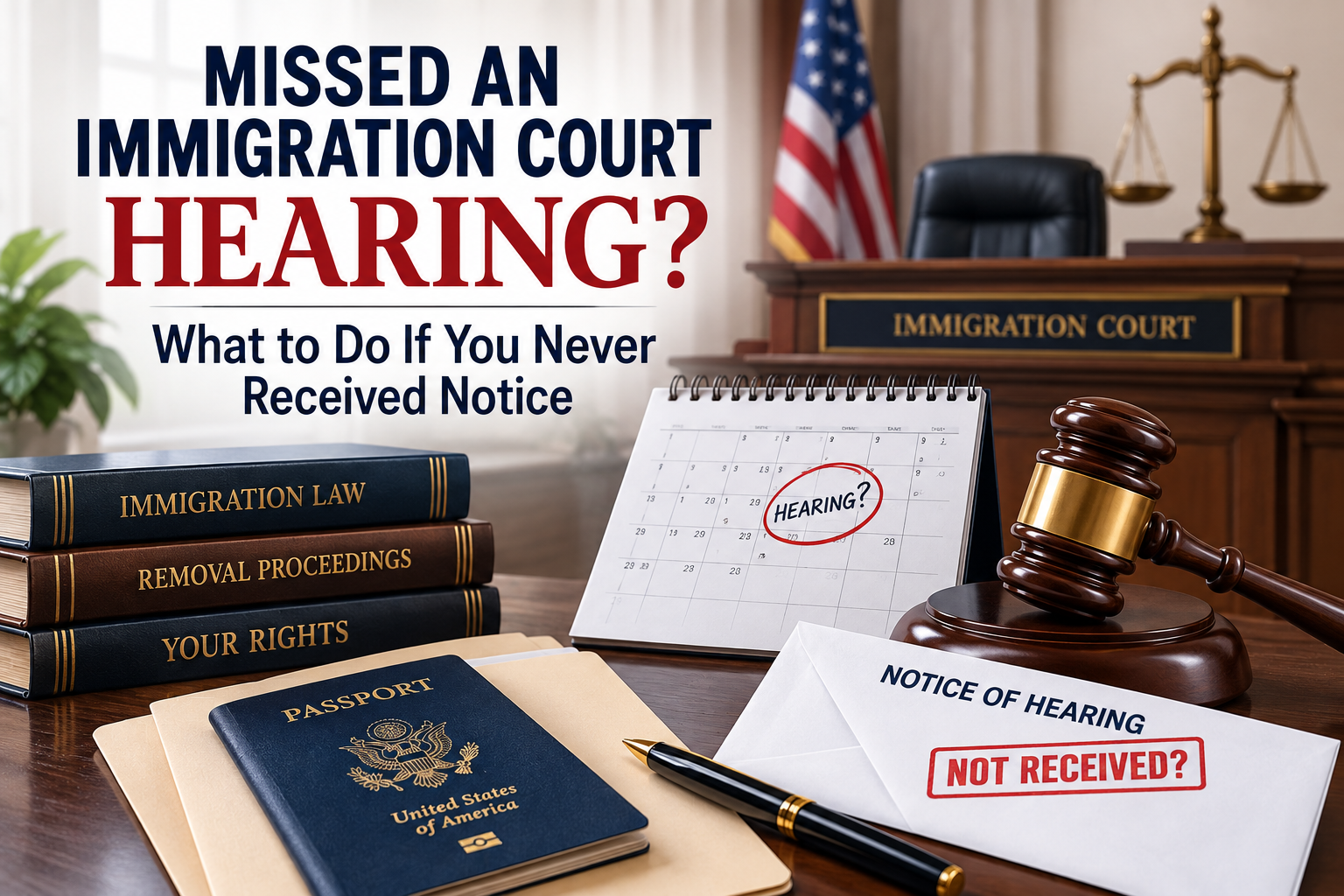
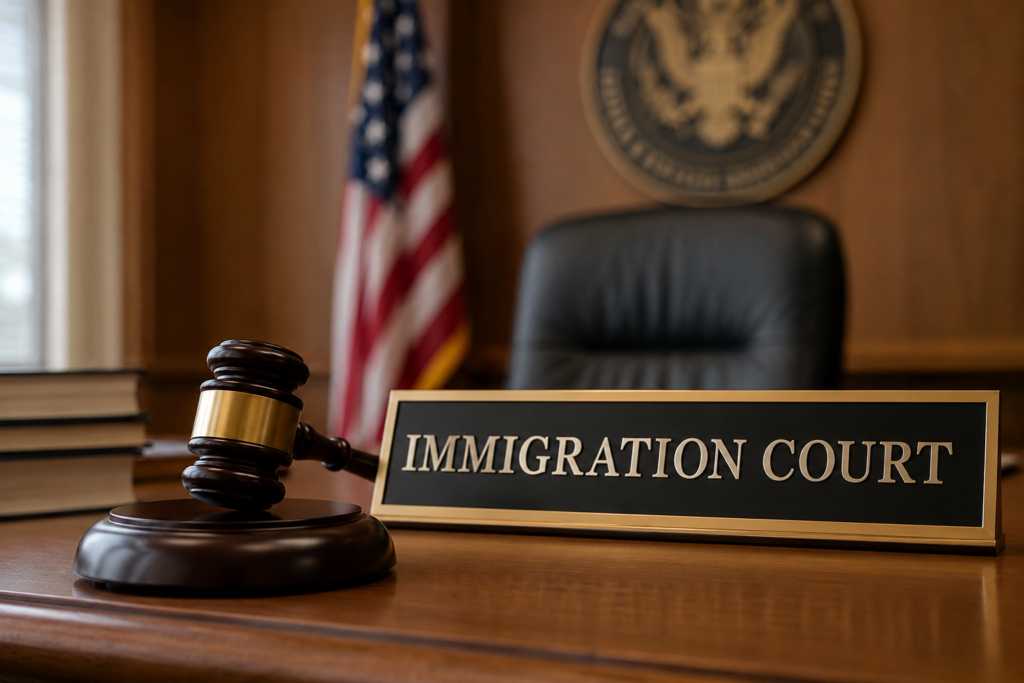
The U.S. Department of Justice has proposed a significant change to immigration court procedure. The DOJ immigration court contempt rule would create a formal process allowing immigration judges to initiate civil monetary penalties against certain attorneys, representatives, noncitizens in removal proceedings, and witnesses for conduct that delays, disrupts, or obstructs a case.
The proposal was published in the Federal Register on July 30, 2026, as a notice of proposed rulemaking. It is not yet a final rule. Electronic public comments may be submitted through September 28, 2026.
What Would the Proposed Rule Do?
Congress amended the Immigration and Nationality Act in 1996 to authorize immigration judges, under regulations issued by the Attorney General, to impose civil monetary penalties for certain contemptuous conduct. According to the DOJ, however, implementing regulations were never completed.
The new proposal would establish covered conduct, warning requirements, penalty ranges, review procedures, appeal rights, payment rules, and oversight mechanisms. The DOJ characterizes contempt fines as an extraordinary measure that should be used only after other reasonable methods have failed to restore proper conduct. An immigration judge would also have to provide a clear and unambiguous warning before beginning the civil penalty process.
Who Could Face a Civil Penalty?
The proposed rule would apply to attorneys or accredited representatives who have entered an appearance in immigration court, noncitizens who are the subjects of removal proceedings, and witnesses appearing in person, by telephone, or by video.
Federal government attorneys, employees, contractors, and witnesses acting in their official capacities would not be covered. This exclusion has generated concerns about whether the proposed system would operate evenly between government and non-government participants in immigration proceedings.
What Conduct Could Lead to a Fine?
The proposal identifies five categories of potentially sanctionable conduct:
- Repeated failure by an attorney or representative to appear, or to appear on time, without good cause;
- Repeated failure to comply with an immigration judge’s filing orders without good cause;
- Disorderly or abusive conduct or language;
- Knowingly or recklessly making a material false statement or presenting false evidence; and
- Intentionally misleading, threatening, misinforming, or deceiving someone about a relevant case matter.
Both actions and failures to act could potentially qualify. However, the conduct would have to fall within one of the rule’s listed categories and delay, disrupt, or obstruct the adjudicatory process. A penalty should not be imposed merely because an immigration judge disagrees with an attorney’s legal argument or a respondent’s position.
Proposed Fines and Procedural Protections
The proposed penalties would increase with each contempt order:
- First order: $1,000 to $1,500;
- Second order: $1,500 to $2,500; and
- Subsequent orders: $2,500 to $3,500.
Before the process could begin, an immigration judge would generally need to issue a warning. If the same conduct continued, the judge could serve a Notice of Intent to Impose Civil Money Penalty.
The affected person would ordinarily have 30 days to submit a response and supporting evidence. The Chief Immigration Judge or an eligible designee—not the immigration judge who initiated the notice—would determine whether clear and convincing evidence supports the charge. A decision imposing a penalty could be appealed to the Board of Immigration Appeals within 10 days, and a timely appeal would automatically pause the payment requirement.
Why the DOJ Immigration Court Contempt Rule Matters
Immigration court proceedings already involve strict deadlines, formal filing requirements, evidentiary rules, and potentially life-changing consequences. If finalized, the DOJ immigration court contempt rule would add personal financial exposure for covered individuals.
The proposal could make it especially important to document good cause for missed appearances, technical problems, delayed filings, medical emergencies, transportation disruptions, or other circumstances affecting compliance. Attorneys, respondents, and witnesses would also need to understand that statements made in court or submitted in writing could become part of a separate contempt record.
At the same time, the proposal may face continued debate over due process, institutional fairness, the exclusion of federal government participants, and the authority exercised by immigration judges within the executive branch. Until a final rule is published and takes effect, the proposal does not authorize the new fines described above.
Need Help Navigating Immigration Court Rules and Responsibilities?
Immigration court proceedings require careful preparation, timely filings, accurate testimony, and compliance with judicial orders. Missed deadlines, hearing problems, misunderstandings, or allegations involving courtroom conduct can affect your case and may become even more consequential if the proposed contempt rule is finalized.
📞 Contact the Law Firm of Anna Korneeva at (513) 647-5056 to review your immigrati on court matter, understand your procedural obligations, prepare for upcoming hearings, and take timely steps to protect your rights and your path forward in the United States.
Disclaimer: This article is for general informational purposes only and does not constitute legal advice. Immigration law and immigration court procedure are highly fact-specific, and the proposed contempt rule may change before becoming final or may not become final at all. You should consult a qualified immigration attorney before making decisions about your immigration case. Article based on Camacho, P. (2026, July 30). DOJ proposes rule that would let immigration judges hold lawyers, witnesses and migrants in contempt. Latin Times.