
we will do it together

Cincinnati U Visa Lawyer

we are good at what we do

We are here to help!

An immigrant who has been the victim of a crime in the US may not know where to turn for help. But immigrants who were hurt mentally or physically by a crime have the option to apply for a U Nonimmigrant Status Visa, commonly known as the “U Visa.”


At Anna Korneeva Law we handle various

immigration cases

Get help from an expert immigration attorney

What is the U Visa?

For someone already seeking a legal immigrant status in the United States, being the victim of a crime can make things more complex. What do you do next? There is relief for those in immigrant communities who become crime victims.

The U Visa is a humanitarian protection for victims of qualifying crimes who have suffered mental or physical abuse while in the United States. They must also cooperate with law enforcement in the investigation or prosecution of the criminal activity. Not everyone who is a victim of a crime will qualify.

If you’re seeking legal residency, a U Visa may be able to help you stay in the United States longer, possibly along with some of your family, while you pursue your green card. Because getting a U Visa can take as long as five years or more, legal guidance early can ensure that the process goes smoothly, your application is completed correctly, and you have all the documentation you need to pursue your visa.
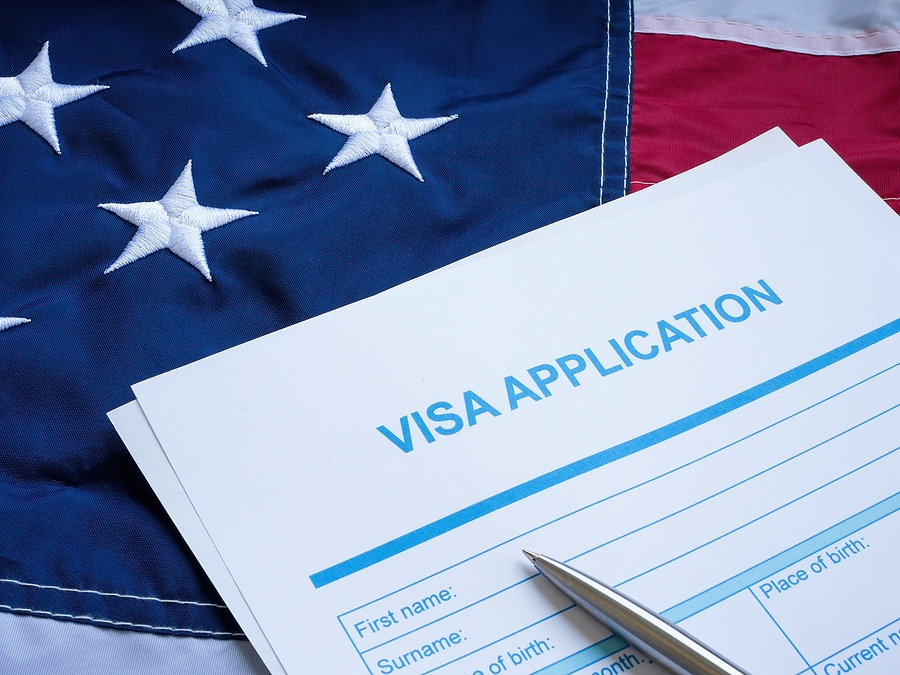
Cincinnati U-visa application

U Visa Eligibility

To be eligible for a U Visa, you must be the victim of certain qualifying crimes. This criminal activity must have included mental or physical abuse and harm. The U Visa is designed to both offer help to a victim of a crime and assist them by helping them stay in the United States. Cooperation with and assistance to law enforcement in relation to the crime is essential to eligibility.

You must meet one of these conditions to be eligible:

  • Be a victim of a qualifying crime, such as domestic violence, felonious assault, sexual assault, human trafficking, or a similarly related crime in the United States.
  • Have suffered substantial abuse, mental and/or physical, as a result of the crime.
  • Have knowledge of the crime and helped, are willing to help, or likely to help, law enforcement and other authorities with their investigation and prosecution of the crime.
  • Obtain a signed certification (Form I-918, Supplement B) from the investigating or prosecuting agency confirming your assistance in relation to the crime.


In return, the U Visa offers protections and benefits for the victim of a crime:

  • A work authorization that allows you to work in the United States legally
  • Four years of legal status and protection from removal proceedings.
  • Certain qualifying family members, such as a spouse, children, and sometimes parents or siblings, depending on your age, may also be eligible for derivative visas.
  • After 3 continuous years in U-1 status, you may be eligible to apply to become a Lawful Permanent Resident and receive a Green Card.

Qualifying Crime

What is a qualifying crime? It’s one of several types of criminal activity that is the foundation of a U Visa. Not all crimes apply, because one that qualifies is one that leaves a victim with mental or physical abuse, and is different than general hardship.

Federal immigration law specifies which specific statutory offenses constitute a qualifying crime. General crimes like minor theft, fraud, or property damage do not qualify someone for this type of visa. Crimes that do violate federal, state, or local criminal law and fall under specific categories, including:

  • Violent Crimes: Felonious assault, manslaughter, murder, or extortion.
  • Sexual & Gender-Based Crimes: Domestic violence, sexual assault, rape, or stalking.
  • Exploitation Crimes: Human trafficking, slave trade, kidnapping, or false imprisonment.
  • Obstruction of Justice: Perjury, witness tampering, or obstruction of justice related to an underlying qualifying crime.


An attempt, conspiracy, or solicitation to commit any of these designated crimes also meets the legal threshold needed for a U Visa. USCIS evaluates the severity of the abuse by looking at the duration of the mistreatment, the severity of the perpetrator’s conduct, and the long-term impact on the victim’s well-being.

A common pitfall in U Visa applications is confusing legal eligibility with general hardship.

Required Legal Eligibility Factors

  • Statutory Victim Status: Direct or proximal victim of a crime listed in the statute.
  • Documented Abuse: Specific mental or physical abuse certified by medical or psychological experts.
  • Law Enforcement Cooperation: Active helpfulness to law enforcement verified via a signed Form I-918 Supplement B.
  • Direct Trauma Link: Severe trauma directly caused by the specific criminal activity investigated

General Hardship Arguments

  • High Crime Environment: General high-crime rates in the applicant’s neighborhood or home country.
  • Financial Strain: Economic struggles, loss of employment, or lack of health insurance.
  • Community Ties: Being a “good moral person” or having deep ties to the local community.
  • Status Anxiety: Anxiety caused by general immigration status or fear of deportation.


Because a U Visa is intended for the victim of a crime, USCIS will deny a petition based solely on difficult life circumstances, economic struggles, or the general fear of returning to one’s home country.

Domestic Violence, Sexual Assault, Human Trafficking, And False Imprisonment

These four severe offenses represent some of the most frequent grounds for U Visa petitions. Each demonstrates how a perpetrator exerts control or inflicts harm, laying the groundwork for potential criminal prosecution.

  • Domestic Violence: This involves a pattern of abusive behavior in a relationship used by one partner to gain or maintain power and control over another. A perpetrator may use physical force, emotional manipulation, or economic coercion.
  • Sexual Assault: Any involuntary sexual contact or behavior that occurs without explicit consent, ranging from unwanted touching to attempted or completed sexual acts. This often causes profound psychological trauma in addition to physical trauma.
  • Human Trafficking: Exploiting a person for labor, services, or commercial sex through force, fraud, or coercion. A perpetrator strips the victim of their freedom and treats them as a saleable commodity for profit.
  • False Imprisonment: When a perpetrator intentionally and unlawfully restrains a person’s physical liberty without their consent. This frequently occurs alongside human trafficking or domestic violence as a control mechanism.


The legal framework for a U Visa connects the victim through the actions of the perpetrator and the response of the justice system. However, the path to a U Visa is flexible, and every case is different.

  • The Perpetrator’s Conduct Defines the Crime: The specific, illegal actions of the perpetrator dictate which qualifying crime applies to the petition. Documentation of this conduct, such as police reports, 911 call logs, or restraining orders, serves as the primary evidence.
  • Prosecution is Not Required: A common misconception is that the perpetrator must be arrested, charged, or convicted before the victim is eligible. However, that’s not true: the U Visa statute requires the victim to be helpful to the investigation or prosecution. Even if the perpetrator flees, remains unidentified, or if prosecutors decline to file formal charges, a victim can still qualify as long as they continue to cooperate and work with all involved law enforcement.
  • Variable Case Paths: A victim assisting law enforcement may have multiple paths. One case might involve a full criminal prosecution, with the victim testifying at trial. Another valid case might end abruptly at the investigation stage because the police could not locate the perpetrator. Both paths meet the legal requirements for cooperation.

Law Enforcement And The U Visa Application Process

The application process for a U Visa moves in a specific sequence, shifting from local law enforcement authorities to federal immigration officials.

Cooperate with Law Enforcement

The process begins at the local, state, or federal level with law enforcement agencies.

  • Reporting: The victim reports the qualifying crime to law enforcement.
  • Assistance: The victim provides details, identifies suspects, or gives statements.
  • Ongoing Help: The victim complies with all reasonable requests from all involved law enforcement during the investigation.

Law Enforcement Certification

The applicant must obtain written proof of their cooperation from law enforcement before submitting anything to USCIS.

  • Form I-918, Supplement B: This is the mandatory certification form.
  • Signing Agency: A designated official at the law enforcement agency, prosecutor’s office, or a judge must sign.
  • Verification: The signature confirms the applicant was a victim and was helpful.
  • Expiration: The signed certification expires 6 months after the signature date, and the full U Visa application must be submitted before this deadline.

Filing the Application Package

Once certified, the applicant compiles the full package to send to USCIS, including:

  • Form I-918: The primary petition form for the main applicant.
  • Form I-192: A waiver application if the victim enters the U Visa application process with certain immigration violations or inadmissibility grounds.
  • Evidence Package: Personal statements, medical records, police reports, and the original signed Supplement B.

USCIS Review and Bona Fide Determination (BFD)

The U.S. Immigration and Customs Enforcement uses a multi-stage review process because of the backlog and tight number of annual caps on U Visas:   

  • Receipt and Biometrics: USCIS confirms receipt and schedules an appointment for fingerprinting.
  • Bona Fide Determination (BFD): USCIS does an initial review to ensure the application is complete and made in good faith.
  • Work Authorization: If the application is deemed bona fide, the applicant receives deferred action status and a work permit while waiting on the official visa list.
  • Final Approval: Once a visa slot opens up, USCIS grants the formal U nonimmigrant status.


One more thing you will need for your U Visa is patience. Understand that the wait time for a U Visa is anywhere from 5 to 7 years on average. For about 80% of the cases, the BFD process takes roughly 35 months to complete, and is only the halfway point. Once you receive BFD approval, your case goes into a queue to await one of the 10,000 available spots for a U Visa every year. Because there are so many applications competing for these 10,000 spots, you will likely wait another 2 to 3 years for final approval.

Even though this long wait can be disheartening, you still have protection from removal and at least a four-year work permit. Working and cooperating with law enforcement authorities during the application process will eventually lead to receiving your own U Visa.


U Visa Application

The application process for a U Visa has specific stages and requirements. To apply for a U Visa, you follow the process in these four steps:

Law Enforcement Certification

You first must secure a signed certification from law enforcement.

  • Obtain Form I-918 Supplement B: You must request that the police, prosecutor, judge, or other certifying official complete and sign this form. The I-918 verifies you were a victim of a qualifying crime, i.e., domestic violence, assault, or trafficking, and that you were helpful in the investigation or prosecution.
  • Time Sensitivity: Your U Visa application must be submitted to USCIS within 6 months of the date the official signs this form.

Preparing and Filing the Application

The foundation of your application requires gathering documentation that proves your case.

  • Form I-918: Fill out the main petition for U nonimmigrant status.
  • Personal Statement: Write a detailed affidavit describing the crime and the physical or mental abuse you suffered.
  • Supporting Evidence: Gather documentation, including police reports, medical records, psychological evaluations, and other relevant evidence to corroborate your statement and establish your eligibility.
  • Waiver of Inadmissibility (Form I-192): If you have prior immigration violations or a criminal record, you must also file this form to request a waiver.

The Waiting List and Bona Fide Determination

There is a significant backlog because there is a statutory cap of 10,000 principal U Visas granted per year.

  • Bona Fide Review: USCIS conducts a preliminary review of your petition while you wait for final approval. If it is found to be “bona fide,” that is, credible and complete, you are granted deferred action and an Employment Authorization Document (EAD). This allows you to legally work in the U.S. while you’re waiting to complete the process.

U Visa Approval and Path to Green Card

You’ll receive final approval once your U Visa application process is completed and a visa number becomes available. With this U Visa, you will have:  

  • Temporary Status: The visa grants you legal status and work authorization for 4 years.
  • Lawful Permanent Residency: After 3 years of holding U status, you can apply for an Adjustment of Status to receive your green card.

Deportation And Enforcement Concerns

Concerns over deportation, customs enforcement, and visits from ICE are an unfortunate reality for many undocumented immigrants and overall immigrant communities. Anxiety over interacting with these government agencies and systems is understandable.

But understanding your rights and available pathways to becoming a legal immigrant will help you have some control over your situation. Seeking out protection is a step toward a more secure future.

The United States Constitution grants you some fundamental protections during any interaction with law enforcement regardless of your current immigration status.

  • Exercise your right to remain silent: You do not have to answer any questions about your birthplace, citizenship, or how you entered the country. When exercising this right, clearly state out loud: “I am exercising my right to remain silent.”
  • Do not open the door: ICE officers cannot enter your home without a judicial warrant signed by a judge. Administrative arrest warrants signed by ICE officers alone do not give them the right to enter your premises.  
  • Ask to see the warrant: Have the officers slide any paperwork under the door. Check to make sure it lists your correct name and address along with a judge’s signature.
  • Do not sign any documents: Never sign any paperwork from ICE without a lawyer reviewing it first, as you could unknowingly waive your right to a hearing.


You also have the right to legal representation. While the government does not have to provide you with an attorney, you can hire a private U Visa lawyer yourself (or find free legal services)

Many undocumented immigrants are afraid that asking and applying for humanitarian relief will expose them to problems with enforcement agencies. However, there are specific legal pathways designed to shield you from the possibility of removal and deportation.

  • Inherent Confidentiality: Strict federal laws prohibit immigration agencies from sharing information about applicants for U Visas, T Visas (trafficking), or VAWA (domestic violence) with both abusers and enforcement agencies.
  • Protection From Removal: Once you submit a legitimate application for humanitarian relief, you are then placed in a protected category. While your case is active and pending review, the government pauses any active deportation efforts against you.
  • Deferred Action: Programs like the U Visa “Bona Fide Determination” grant temporary deferred action. This action formally instructs ICE that you are not an enforcement priority, removing the immediate fear of removal.

Create An Emergency Plan

Preparing for possible emergencies can alleviate anxiety and ensure that you are ready if you need to be. Organize essential resources before you need them so that your family and community are ready if the need arises.

  • Emergency contact list: Keep numbers for immigration attorneys, local advocacy groups, and trusted family members readily accessible.
  • Designate a guardian: Get written power of attorney or guardianship documents for your children if they are minors or U.S. citizens.
  • Document organization: Store your birth certificates, medical records, passports, and any legal paperwork in a safe, central location that a trusted relative knows and can easily access.


You may never need to use your emergency plan. But it’s always good to be ready if the time comes.

U Visa Status And Long-Term Immigration Benefits

Securing U Visa status provides immediate stability, work authorization, and a concrete path toward permanent residency and United States citizenship for both you and your qualifying family members.

Immediate Post-Approval Benefits

Once your U Visa application is officially approved, you will transition from the backlog and receive immediate legal protection.

  • Employment Authorization: You automatically receive an Employment Authorization Document (EAD). This allows you to work legally for any employer in the U.S., apply for a Social Security Number, and obtain a driver’s license in your state.
  • Protection from Deportation: Your approved status now means that you are protected from removal and deportation. You can now live and work openly in your community with peace of mind.
  • Four-Year Duration: Your U Visa status is granted for an initial four years. It can also be extended under specific legal circumstances if law enforcement confirms your continued assistance is required.

Employment And Family Members

The U Visa program understands the significance of keeping families together. If you are a principal applicant, you can petition to obtain derivative U Visa status for a qualifying family member.

  • If You Are Under 21 Years Old: You can petition for your spouse, children, parents, and unmarried siblings under the age of 18.
  • If You Are 21 Years or Older: You can petition for your spouse and your children.
  • Their Derivative Benefits: Approved family members receive the same legal protection and employment authorization as you, ensuring your entire household stabilizes together.

Green Card, Legal Permanent Residency, And United States Citizenship

U Visa status is not just a temporary visa. It can also be a direct path to becoming a permanent resident.

  • The 3-Year Rule: After residing continuously in the United States for at least 3 years while holding an approved U Visa, you become eligible to apply for a green card.
  • Adjustment of Status: You will file Form I-485 to adjust your status to that of a lawful permanent resident. You must demonstrate that you have not unreasonably refused to cooperate with law enforcement since your U Visa was approved.
  • Family Inclusion: Your derivative family members can also apply to become permanent residents at this stage, provided they meet their own individual residency requirements


Once you’ve obtained your green card and obtained legal permanent residency, full integration into the country as a U.S. citizen is the next and final step.

  • Naturalization Eligibility: Once you have held your green card for 5 years, you can apply for United States citizenship through the naturalization process.
  • Permanent Security: Becoming a citizen grants you voting rights, protects you permanently from deportation, and allows you to travel freely with a U.S. passport.


Getting to the point of becoming a legal permanent resident or a U.S. citizen is a longer-term immigration journey, and not an automatic result. Starting with a U Visa can lead to eventually becoming a U.S. citizen with all the rights and protections that come with citizenship.

Working With A U Visa Attorney

Working with a specialized U Visa attorney or U Visa lawyer is often the most significant factor in having a successful outcome for your immigration case. Aside from just representing you in front of the government, they will handle your case from the beginning.

Evaluating and Confirming Eligibility

The first step an immigration attorney will take is a confidential evaluation of your case to confirm your eligibility.

  • Reviewing the Crime: Your U Visa lawyer will determine if the crime you survived falls under the strict list of qualifying criminal activities designated by U.S. law.
  • Assessing Law Enforcement Cooperation: They will look closely at how you interacted with law enforcement and investigators to ensure you meet the legal definition of “helpfulness.”
  • Identifying Potential Barriers: An immigration lawyer will screen your history for prior deportations or criminal history. This will help determine if you will need a complex waiver of inadmissibility before applying.


Organizing and Structuring the Evidence

A complete application requires more than just filling out paperwork. This process requires a compelling, well-structured narrative supported by hard evidence.

  • Securing the Certification: Your U Visa attorney will communicate directly with police departments, prosecutors, or judges to request, track, and secure the vital Form I-918 Supplement B law enforcement certification.
  • Drafting Personal Statements: They will guide you through writing your personal declaration, ensuring your trauma and helpfulness are conveyed in a way that satisfies strict legal standards.
  • Compiling Supporting Proof: Your legal team will gather, organize, and submit medical records, police reports, and psychological evaluations to build an airtight application package.


Handling Agency Communications and Tracking

After submitting your petition, the immigration service involves years of tracking, waiting, and responding to strict government timelines. Having an immigration lawyer ensures that someone else is watching your case and keeping current with any developments.

  • Interfacing with USCIS: Your immigration lawyer acts as your official representative. This means that all notices, receipts, and updates from the government go directly through their office and are less likely to be lost in transit.
  • Responding to Requests for Evidence (RFEs): If the immigration service pauses your case to ask for more proof, your immigration attorney knows exactly how to gather and format the requested documentation before the strict deadline expires.
  • Monitoring Backlog Protections: They will track your case to ensure you receive your Bona Fide Determination and employment authorization as quickly as possible during the lengthy waitlist period.


Navigating the complex federal immigration service framework requires precise legal knowledge. That’s why having an experienced professional ensures your rights are protected at every stage of the process.

Contact The Law Firm Of Anna Korneeva For Your U Visa

Connecting with a specialized Cincinnati U Visa lawyer is the most critical action you can take to move your case forward with confidence. Our experienced immigration lawyer provides precise guidance to navigate local police protocols and the complex federal requirements for the U Visa application.

The Law Office of Anna Korneeva is ready to help you at any stage of your immigration journey. Contact our office today if you are interested in obtaining a U Visa or just have questions about starting the process. You can call us at 513-998-6054 or toll-free at 855-261-6919—we answer our phones 24/7. We’re also available online—email us at anna@annakorneevalaw.com or use our online contact form.

Get Your Case Evaluated Today

Don't let the legal system complexities stop you from reaching your goals.
Get your case evaluated by the top rated Cincinnati attorney now.

Ready to give us
details about your case?

Or

Quick Contact

Contact Us

Hablamos Español
Мы говорим по-русски